
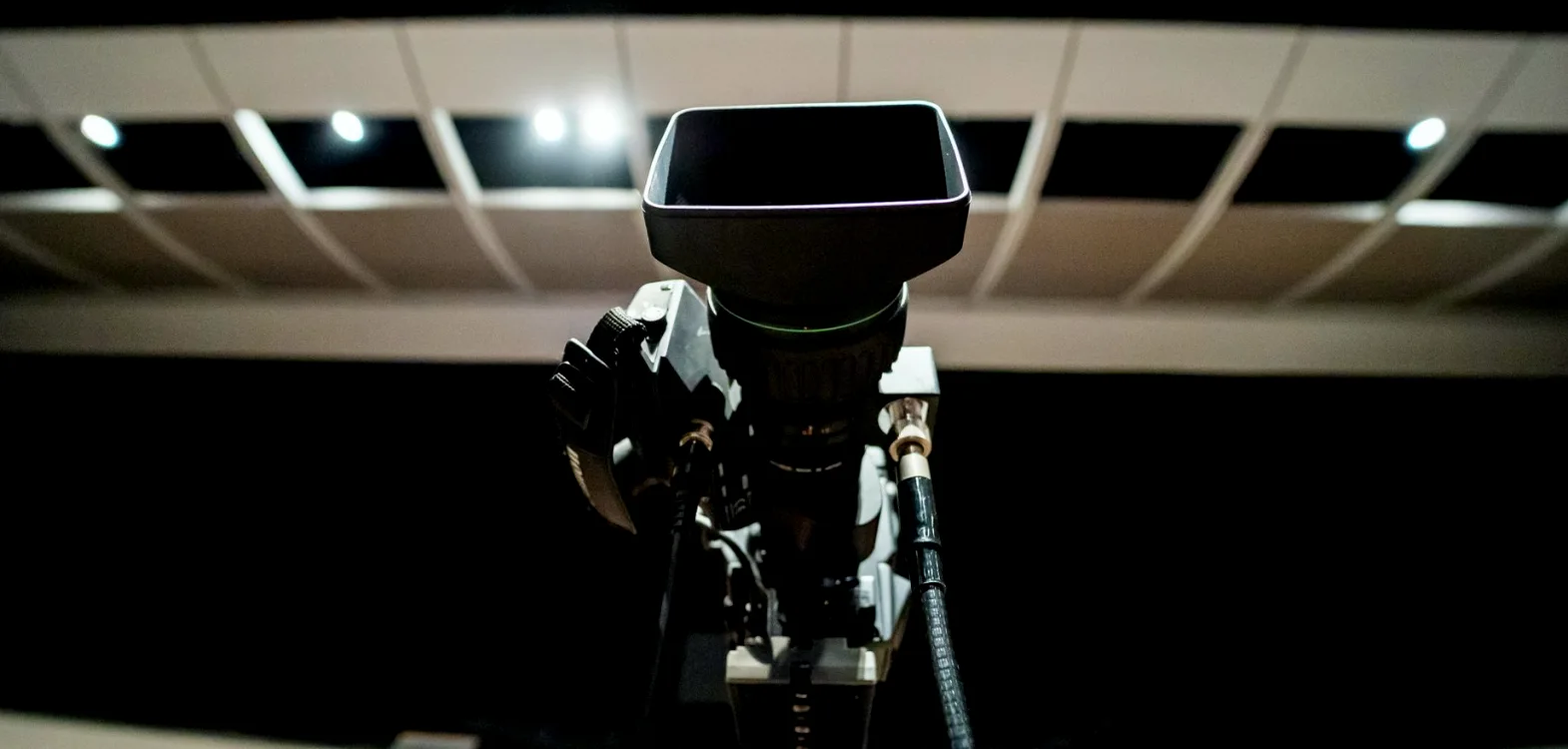
Lighting rigs that keep skin tones steady during a live broadcast
A closer look at how we plan key, fill and backlight with dimmable rigs, so presenters and guests look the same at the start of a programme as at the end.
Why steady skin tones are a live problem
I am an acoustics consultant, so I usually come to a studio listening rather than looking. Over the past weeks, though, I have spent several days beside Tom Whitaker, our lighting director, while he set up rigs for desks and interview sets, and the thing he kept returning to was consistency. In a recorded programme, a colourist can correct a face that drifts warm or green. In a live programme nobody can, so the light itself has to hold still.
A presenter who looks healthy in the first minute and slightly orange in the thirtieth is a rig problem, not a camera problem. Lamps change as they heat up, daylight leaks in from a window and a guest in a pale shirt pulls exposure around. The aim of our lighting design and setup work is to remove those variables before the red light comes on, so the people operating the cameras have less to chase.
This note describes the plan we follow for key, fill and backlight and the dimmable rigs that carry it.
Key, fill and backlight: what each one does
The key light is the main source and defines the face. We place it slightly above eye level and to one side of the camera, which gives shape to cheekbones and eyes without harsh shadow under the brows. Its strength sets the exposure everything else is measured against, so it is the first light we position and the last one we touch once the plan is agreed.
The fill sits on the opposite side and is deliberately weaker. Its job is to open the shadow side of the face so detail is not lost, not to flatten it. Too much fill makes a news desk look like a waiting room. The backlight comes from behind and above, putting a thin edge of light on hair and shoulders so the presenter separates from the set.
Each of the three is dimmable on its own channel. That matters more than it sounds, because a plan that cannot be adjusted by small amounts will be adjusted by large ones on the day.
- Key: sets exposure and shapes the face
- Fill: lifts shadow detail without flattening
- Backlight: separates the person from the set
Dimmable rigs and why we prefer small adjustments
A dimmable rig lets us trim output rather than move lamps. When a guest with darker skin sits next to a presenter with lighter skin, we do not rebuild the set; we bring the key down a little on one side and lift the fill on the other, then check both faces on the monitor against the same reference.
We also fix colour temperature across the rig rather than mixing sources. Lamps of different types drift differently as they warm, and the difference shows first in skin. Where a set includes practical lamps or screens in shot, we note their colour and match the rig to them, not the other way round.
Dimming has one further advantage in a live setting: it is quiet and instant. A change of a few per cent can be made between segments without anyone in the room noticing, and without a lighting technician walking onto the floor.
Working with the camera crew
Lighting is only judged through a lens, so we plan it alongside the camera positions rather than after them. Before the rig is finalised, we agree where each camera will stand, how wide the shots will be and where the presenters will sit and stand. A backlight that looks right from the front can throw flare straight into a camera placed at the side.
On the day, the camera operators and the person watching the monitors are our best source of information. Operators see how skin renders on their own cameras, and they tell us early if a face is hot or a shadow is too deep. We would rather hear it in rehearsal than see it on air.
This is why our lighting and live camera direction work share a briefing. One conversation about the shots saves several about the light.
What we check before going live
Our setup routine follows the same order each time, so that nothing depends on memory. We start by cutting out stray light, closing blinds or shielding windows that would otherwise change the picture as the day goes on. Then we power the rig up and let it settle before we judge any colour, because lamps measured cold tell you very little about how they will look an hour in.
We then walk each seat with a stand-in, preferably someone with a similar complexion to the real guest, and check the picture on a calibrated monitor. Levels are written down as we go, so that the rig can be returned to the same state after a break or a change of set.
Last, we mark floor positions, so that a guest who shifts their chair does not move out of the pool of light the plan depends on.
- Block or shield daylight sources
- Let the rig warm up before judging colour
- Check each seat with a stand-in
- Record dimmer levels and mark floor positions
What stays with you after we leave
A good lighting setup should not depend on us being in the room. We leave a short written record of lamp positions, dimmer levels, colour settings and floor marks for each set, along with notes on what we would adjust for a different guest or a different time of day. Your crew can then reproduce the look on the next programme.
We also say plainly where the rig has limits. A small studio with a low ceiling cannot take the same backlight height as a large one, and a stage that sits in front of a bright window will always need more work than a windowless room. We would rather tell you that during planning than discover it during the broadcast.
If your studio or venue is preparing for the darker months, when daylight leaves earlier and rigs get used for longer hours, it is a sensible moment to have the plan looked at.
Steady skin tones come from a plan that was made before the programme and a rig that can be trimmed in small steps while it runs. Key, fill and backlight each have one job, and the cameras and lights are agreed together. If you are preparing a desk, an interview set or a stage for live television, contact us through the contact page and we will talk through what your space needs.
Get in touch
Write to us: hello@starvoix.net