
Live television services, from signal chain to studio floor
Six areas of work for broadcasters, venues and event producers: equipment, cameras, sound, light, on-site crews and reliability checks, planned around the programme you intend to put on air.
Six areas of live production work
Studio Equipment Integration
We specify, wire and test vision mixers, routers, monitors and intercom so that the studio behaves as one system. Cable labelling and a written signal map are handed over with the room.
Contact →
Live Camera Direction
Camera plans, operator briefings and shot design for interviews, news desks and multi-camera live shows. We agree positions, framing and talkback habits before anyone goes on air.
Contact →
Acoustic Optimisation
We measure the room, find where reflections and noise hurt speech, and treat those surfaces. It suits studios, stages and temporary spaces where presenters and guests must be heard cleanly.
Contact →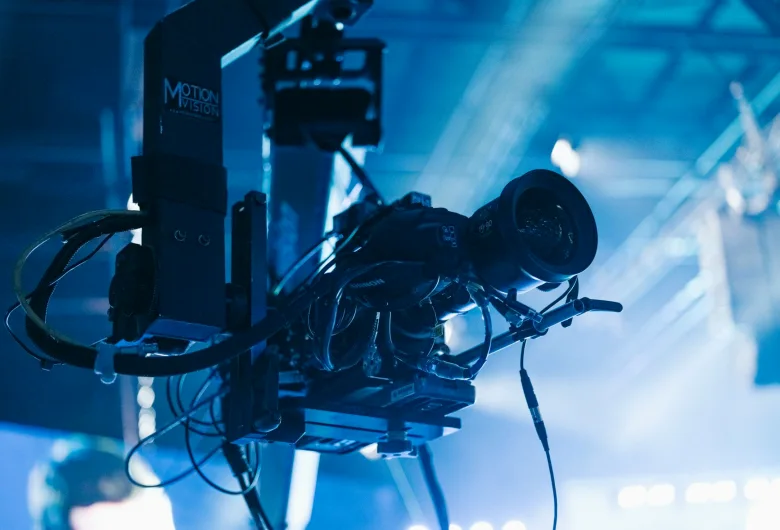
Lighting Design and Setup
Key, fill and backlight plans on dimmable rigs that hold skin tones steady under live conditions. We consider presenter comfort and camera needs together, then set and focus the rig on site.
Contact →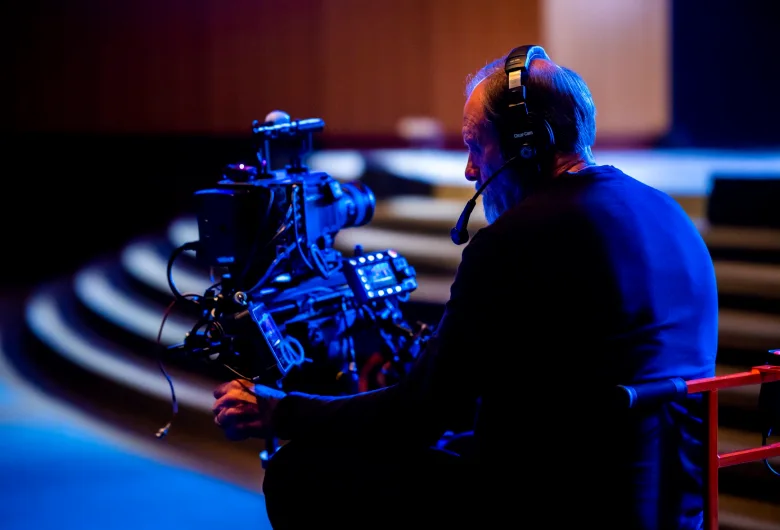
Live Show Production Support
On-site technical crews for concerts, festivals and staged events that are broadcast as they happen. We join your producers early, agree responsibilities and stay through the show.
Contact →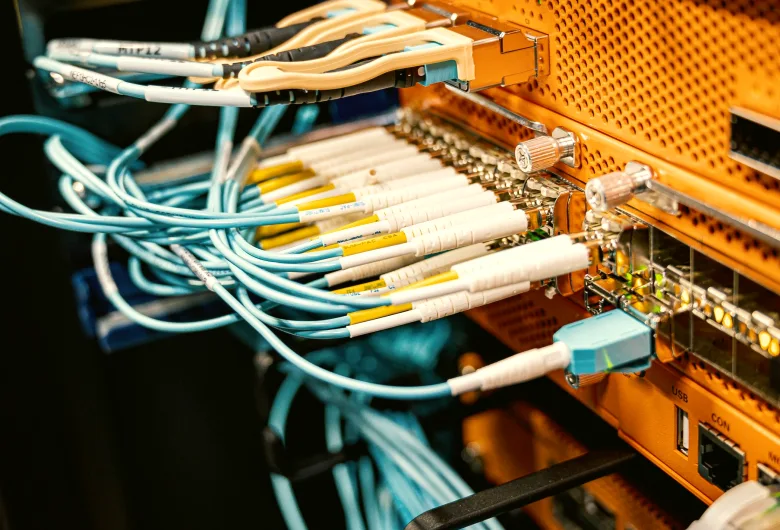
Workflow and Reliability Audits
We review your signal chain, backup arrangements and rehearsal routine, then write down plainly what to fix before going live. You receive a clear, ordered list you can act on.
Contact →
From first enquiry to a calm broadcast
Every job follows the same order, whatever its size. You describe the programme, we agree the scope in writing, and the work is delivered and handed over with clear notes.
Enquiry
Site review
Written quotation
Build and rehearse
Handover
What to have ready before we talk
A first conversation is shorter and more useful when a few facts are to hand. None of this needs to be perfect; rough notes and a floor plan are enough to begin.
About the programme
Tell us what kind of programme it is: a news desk, a two-person interview, a panel or a staged show. Say how many cameras and presenters you expect, how long the broadcast runs and whether it is live or recorded as live. Note the delivery point, such as a distribution partner or an internal feed. These details decide how much equipment, crew and rehearsal time the job needs.
About the space
Send a floor plan or a few photographs of the studio or venue, with approximate dimensions. Mention anything that affects sound or light, such as large windows, hard walls, air handling or a nearby road. If the space is temporary, tell us who controls access and when we can get in. A short visit usually answers what drawings cannot.
About your equipment
List the vision mixer, cameras, monitors, routers and intercom you already own, with model names where you know them. Say what you intend to keep and what you expect to replace. Tell us about known faults and any past failures on air. Where records are thin, that is fine; part of our work is finding out what is actually installed.
Get in touch
Write to us: hello@starvoix.net