
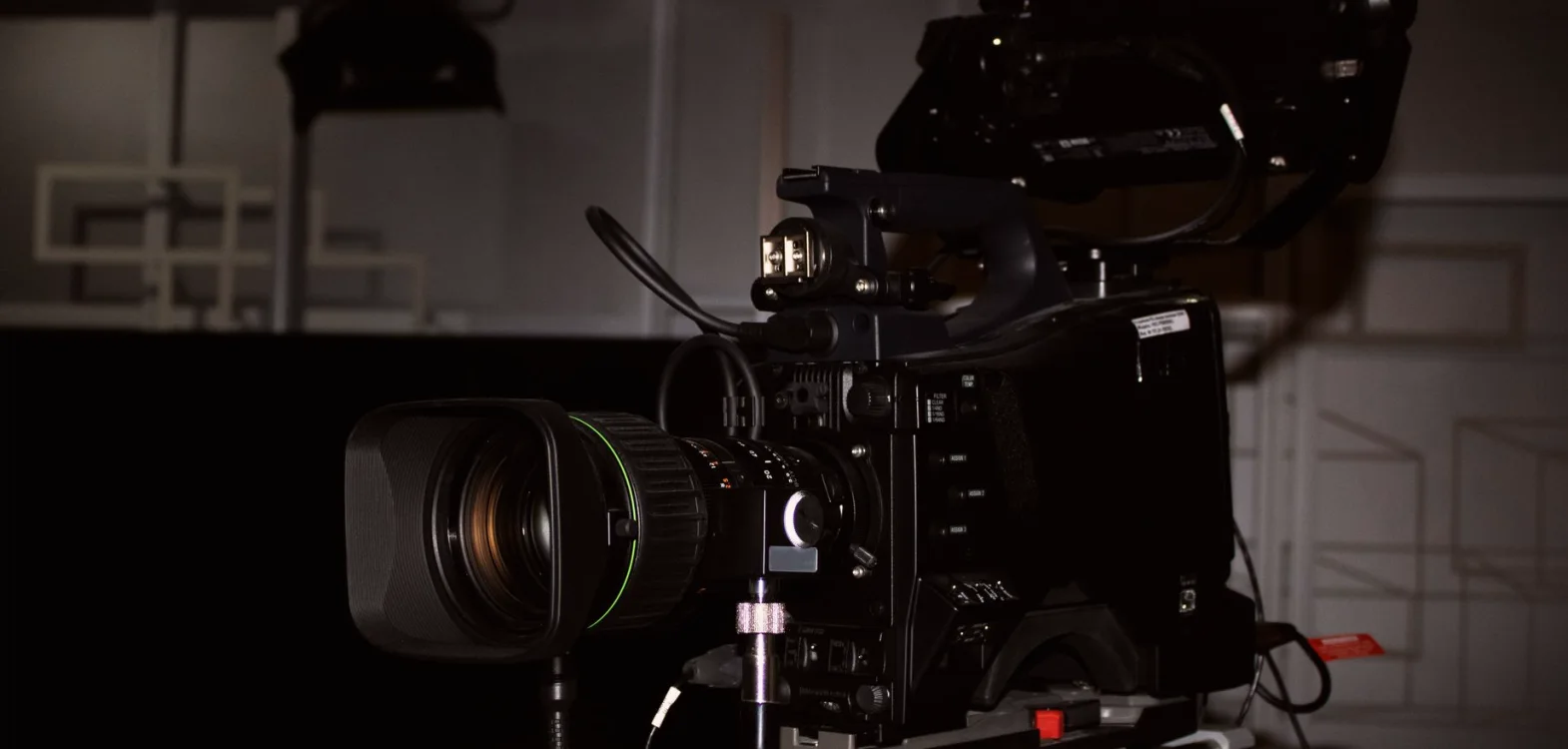
What We Check on the Rack Before a Live Programme Goes to Air
Priya Shah describes the tools and methods behind our reliability audits: signal tracing, backup tests and rehearsal logs, and how they become a written list of fixes.
Starting with the signal chain on paper
Every audit we run begins away from the equipment. Before anyone touches a cable, we ask for whatever drawings, patch lists and device inventories exist, and we read them the way an operator would on a bad night. A drawing that has not been updated since the last refit tells us as much as one that is perfect, because it shows how the studio is really maintained.
Then we walk the building with that paper in hand and compare it with what is physically there. Labels that disagree with the drawing, unlabelled spurs, adaptors hanging off the back of a router and power strips daisy-chained under a desk all go into our notes. None of these is unusual in a working studio. The point is to find them calmly, in daylight, instead of during a live hour when nobody has time to trace a cable.
We keep the first pass deliberately plain: a clipboard, a torch, a label printer and a camera on a phone for evidence. The simple tools let us finish the survey in a day for most single-studio sites.
- Drawings, patch lists and device inventories requested in advance
- Physical walk-through compared against the paper
- Photographs of anything unlabelled or undocumented
Test equipment and what each piece tells us
Once the paper and the room agree, we measure. A waveform monitor and vectorscope show whether levels and colour sit within safe limits at each stage, not just at the final output. A signal generator lets us send known test patterns through the whole path, so a fault shows up at a particular point instead of being blamed on whichever device happens to be last in line.
For audio, we use a handheld level meter and a tone source to check that gain is sensible from microphone to mixer to transmission feed. Many on-air problems that sound like faulty kit are simply levels set too hot or too low somewhere in the middle of the chain. Finding that takes minutes with the right meter and hours without one.
We also carry spare cables, adaptors and a small set of known-good devices. Swapping a suspect item for one we trust is often the quickest way to separate a failing part from a configuration mistake, and it keeps the audit moving.
- Waveform monitor and vectorscope for levels and colour
- Test patterns and tone sent through the full path
- Known-good spares to isolate a failing part quickly
Testing the backups, not just listing them
A backup that has never been used is a hope, not a safeguard. During an audit we ask to see each fallback actually run: the second power feed, the standby vision mixer input, the spare intercom channel, the alternative route to the transmission point. We pull a connection, with the client's agreement and at a quiet moment, and watch what the crew sees and how long it takes to recover.
Often the equipment works but the knowledge does not. The standby route exists, yet only one person knows which button engages it, and that person is not rostered on the evening shift. We record who knows what, because a fallback that depends on one individual is a single point of failure in a different guise.
We write down every recovery time we observe, in seconds, so that the client can judge whether it suits the programme. A news bulletin and a long-form interview tolerate very different gaps, and the numbers let that decision be made with facts.
- Each fallback exercised, with the client's agreement
- Recovery times recorded in seconds
- Staff knowledge of fallbacks noted alongside the hardware
Reading the rehearsal routine
Rehearsal habits say a great deal about reliability. We ask how often the full crew runs through a programme, whether the rehearsal uses the real feeds and graphics or stand-ins, and what happens when something goes wrong in practice. A rehearsal that is always smooth is sometimes a sign that nobody is rehearsing the awkward moments.
With permission, we sit in on a run-through and keep a simple log: cue calls, hesitations, repeated questions over talkback. Patterns appear quickly. If the same handover causes confusion three times, the fix may be a clearer cue word or a change to who holds the script, not new equipment at all.
We also look at the quality of the notes after each rehearsal. A short, dated record of what failed and what was changed gives a team a memory. Without it, the same problem tends to return every few weeks under a different name.
- Real feeds and graphics used, not stand-ins
- Cue calls and hesitations logged during a run-through
- Post-rehearsal notes kept dated and short
Turning findings into a written list
The result of an audit is a document, and we take care over how it reads. Each finding states what we saw, why it matters on air and what we suggest, in plain sentences that a producer and an engineer can both follow. We avoid jargon where an ordinary word will do, because the report is passed around and not everyone reading it works in the gallery.
Findings are grouped by urgency: things to put right before the next live broadcast, things to schedule within the coming months and things worth watching. This ordering matters more than the length of the list. A short document with a clear first page gets acted upon; a long one with everything at equal weight tends to sit in a folder.
Where a fix needs equipment or labour, we say so without pricing it into the findings. The audit tells you what to correct. Whether we help with the work, or your own team or another contractor does, is a separate conversation.
- Each finding: what we saw, why it matters, what to do
- Grouped by urgency rather than by device
- Fixes described without bundling in a sales proposal
A note for the colder months
Autumn is a sensible time to commission an audit. Schedules fill with seasonal programming, outside broadcasts and venue events, and studios that were quiet over the summer are switched back on after weeks of disuse. Connectors that have sat idle, ageing batteries in wireless packs and damp-affected cable runs in older buildings tend to reveal themselves in these weeks.
If your team is planning a busy run of live output before the year ends, the best moment for a review is before the first of those broadcasts, while there is still room to make changes without pressure. A day on site now is usually easier to arrange than an emergency visit later.
We are happy to talk through what an audit would cover for your particular studio or venue before anything is agreed. Describe your setup and we will tell you honestly what we would look at and how long it would take.
An audit is only as useful as the habits it leaves behind. The meters, spares and checklists we bring matter less than the written list that follows and the team's willingness to act on it. If a studio can trace its signal, trust its backups and learn from its rehearsals, most live problems become small and manageable. That is the calm we aim to leave behind.
Get in touch
Write to us: hello@starvoix.net