

What we do for live productions
Studio systems that work as one
We specify, wire and test vision mixers, routers, monitors and intercom. Each part is checked against the rest before anyone goes on air. The result is a studio your crew can run without guesswork.
- Vision mixers and routers
- Monitoring and intercom
- Cabling and labelling
- Full system testing
Cameras, sound and light in balance
Camera plans, operator briefings and shot design come together with acoustic treatment and lighting. Presenters are seen and heard properly, and skin tones stay steady. We work in small studios and on large stages alike.
- Camera plans and shot design
- Operator briefing
- Room measurement and treatment
- Key, fill and backlight rigs
Crews and checks for the day itself
For concerts, festivals and staged events, our technical crews support the broadcast on site. Before that, we can audit your signal chain, backups and rehearsal routine and write down what needs fixing.
- On-site technical crews
- Signal chain review
- Backup planning
- Written audit notes
The equipment and spaces we work with
Our work happens in control rooms, on studio floors and in rehearsal halls. These are the materials, rigs and steps that make up a typical live production.

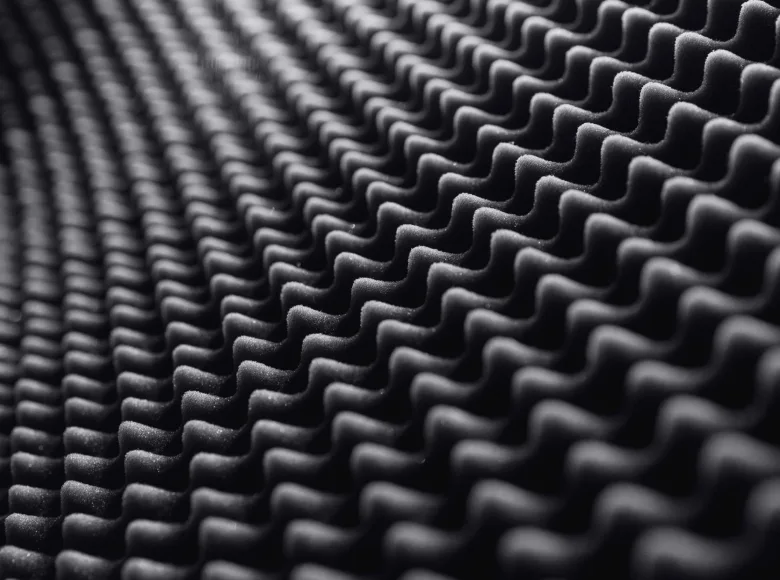
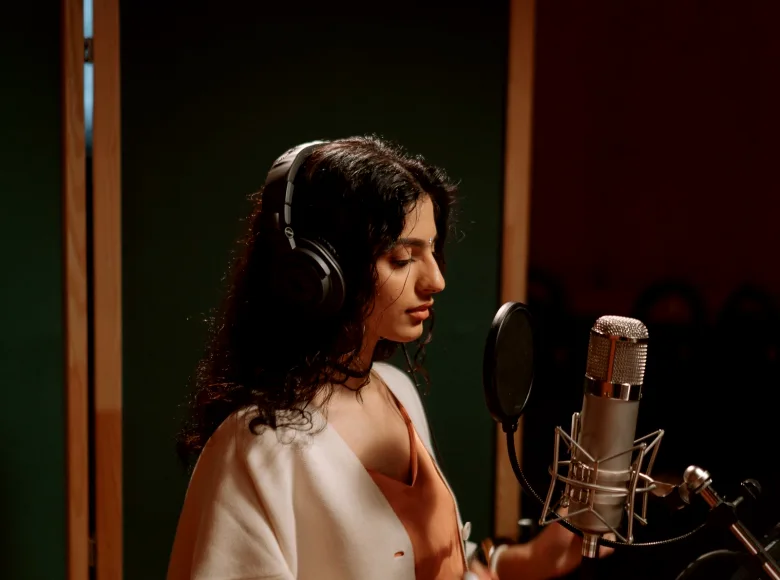
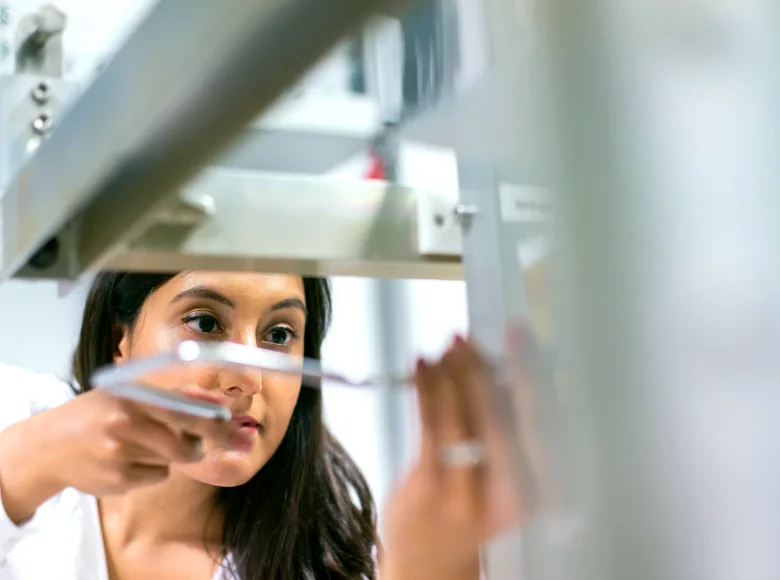
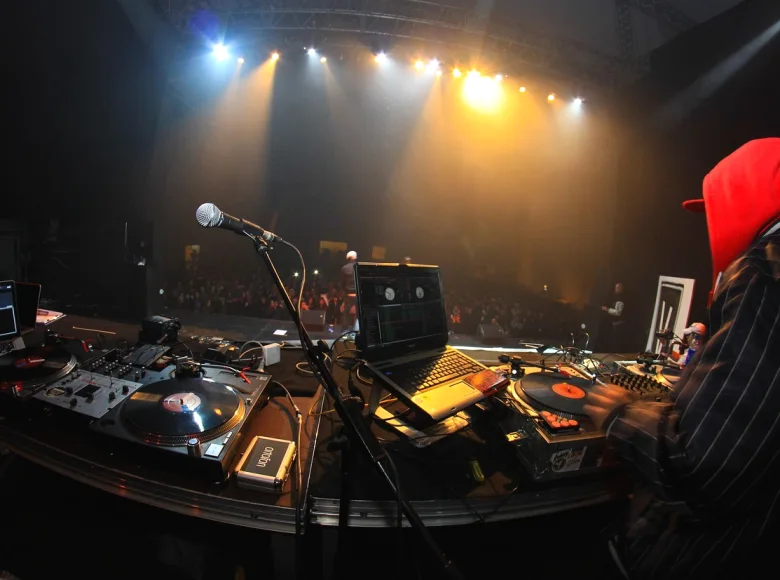
Studio Equipment Integration
This service suits broadcasters, venues and production companies building or updating a studio. We specify the equipment, wire it, configure it and test it as a whole, so the studio behaves as one system rather than a collection of boxes.
Contact
Bring floor plans, any existing equipment lists and a description of the programmes you plan to make. Even rough notes help us shape a sensible specification.
From first conversation to a calm live broadcast
Live television leaves little room for surprises, so we work in clear stages. Each stage ends with something written that you can read, question and agree. We keep the steps the same whether the job is a small interview studio or a staged event. Nothing is assumed; everything is checked.
Enquiry and brief
You tell us what you broadcast, where, and what worries you. We ask about the space, the crew, the equipment you already own and the date you are working towards. We do not decide anything at this point.
Site visit and measurement
We visit the studio or venue, look at the signal chain, measure the acoustics and note lighting positions and power. Seeing the real room avoids plans that only work on paper.
Plan and quotation
We write a plan covering equipment, camera positions, treatment and lighting, with a quotation for the work agreed. You can change the scope before anything starts.
Installation and rehearsal
The work is carried out, then tested in rehearsal with your presenters and operators. Problems found here are cheap to fix; on air they are not.
Live support and review
Where agreed, our crew is on site for the broadcast. Afterwards we go through what worked and what to improve for the next show.
Questions we hear often
These are the questions broadcasters and venue managers ask most before getting in touch. If yours is not here, the contact page is the quickest way to ask.
- Who do you usually work with?
- We work with broadcasters, venue managers and event producers who plan live television. That includes news and interview studios as well as concerts and festivals broadcast as they happen. The size varies, but the need for reliable signal is the same.
- Can you work with the equipment we already have?
- Yes, in most cases. We start by reviewing what you own and how it is connected. We then say what can stay, what should be replaced and what is simply missing, so you spend only where it matters.
- Do you only work in Gloucester?
- Our base is Gloucester, and that is where our studio hub is. For on-site work we travel to the studio or venue involved. We discuss location and access during the first enquiry.
- How do I get a price?
- Send an enquiry through the contact page describing the work. We reply with questions if needed, then send a written quotation. The Prices page explains what each service costs and what can change the figure.
- Can you help with only one part, such as lighting?
- Yes. Lighting, acoustics, camera direction, integration, event support and audits can each be booked on their own. Many clients start with one area and add others later.
- What happens if something fails during a live show?
- We plan for it beforehand with backup paths, spare equipment and a clear order of checks. If our crew is on site, they follow that plan calmly. Rehearsal is where most faults are found.
- What is a reliability audit?
- It is a review of your signal chain, backups and rehearsal routine. We look at how the studio actually runs and write down what to fix before going live. You keep the written notes.
- How do I pay?
- After a written quotation or confirmation, we issue an invoice, which you pay by bank transfer. Nothing is paid on this website. Cancellations and refunds follow our payment and refund policy.

Camera Direction
Building a Camera Plan for a Two-Chair Interview Set
A step-by-step guide to planning cameras, framing and operator briefing for a two-person interview, from the first floor sketch to the last check before the red light goes on.

Studio systems
Before you commit: a checklist for studio equipment integration
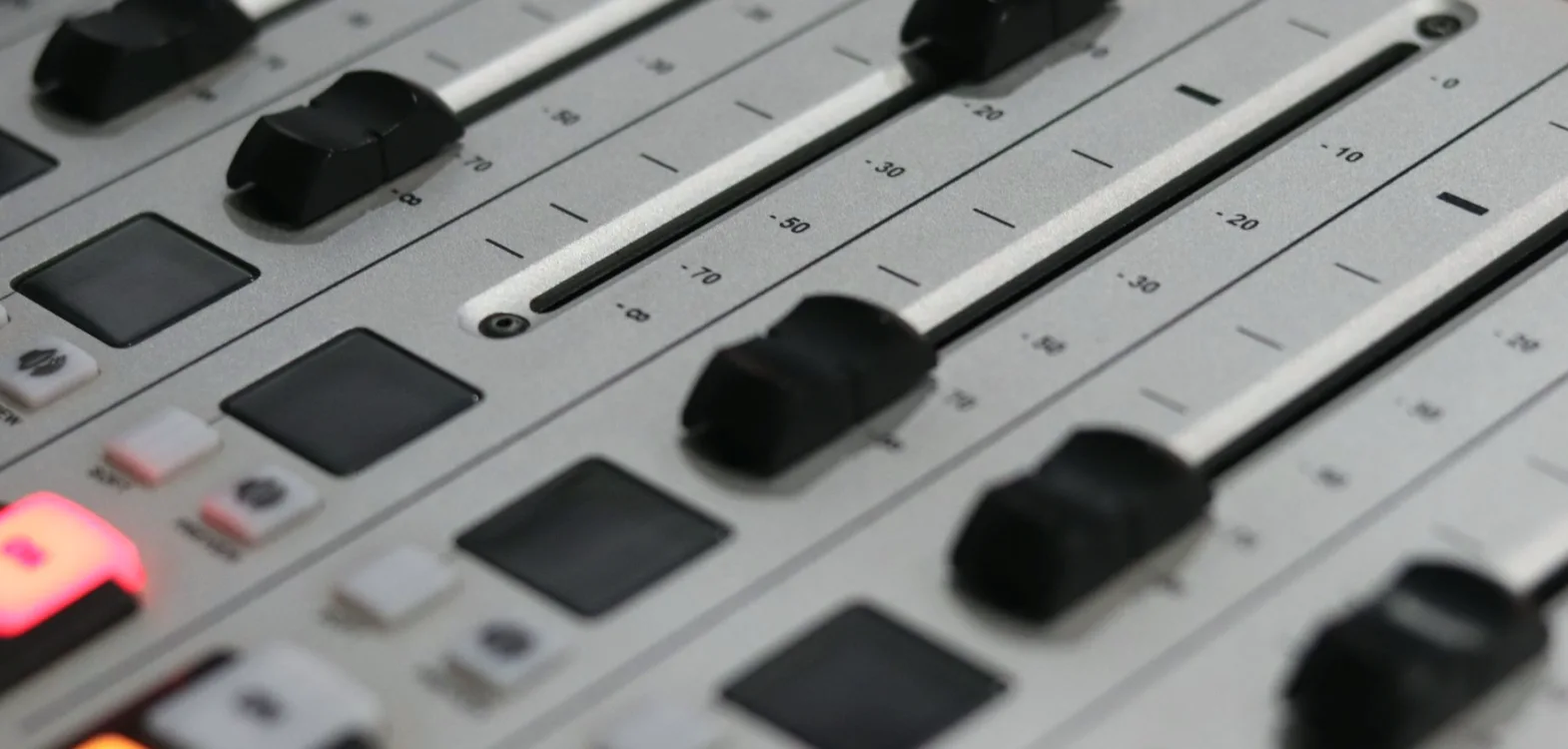
Choosing how a studio's vision mixer, router, monitors and intercom will be specified and wired is easier with a list of questions. Here is the one our lighting desk wishes more clients carried.
Acoustics
Six Acoustic Mistakes That Spoil Speech on Air, and How to Avoid Them
Most poor sound in live studios comes from a handful of repeatable mistakes. Daniel Okafor walks through six of them and the checks that catch each one before the programme starts.
Tell us about your studio, show or venue
Describe what you broadcast and what needs attention, whether integration, cameras, acoustics, lighting or an audit. We will reply with questions and, if it suits, a written quotation.
Get in touch
Write to us: hello@starvoix.net